
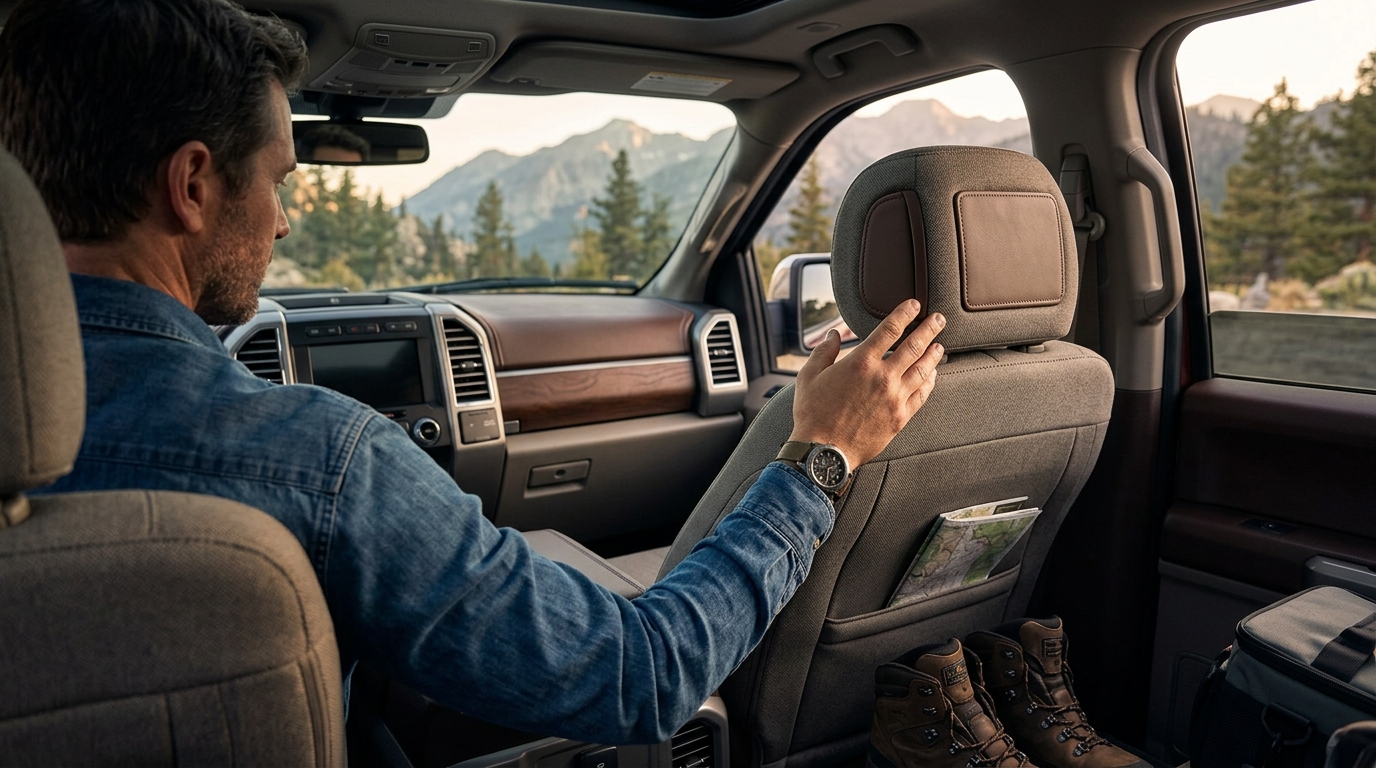
Modern truck owners frequently ask whether they can install a hidden gun safe in their vehicle without compromising safety or warranty coverage. According to recent automotive security reports, over sixty percent of commercial drivers store firearms in unsecured compartments during transit. This practice significantly increases the risk of unauthorized access during collisions or break-ins. Professional installation guidelines emphasize that modern truck cabins offer ample structural space for discrete mounting solutions. You can securely integrate a locking mechanism without modifying factory panels or voiding manufacturer warranties. Automotive safety data confirms that unsecured storage increases collision injury rates by forty percent.
Understanding Truck Cabin Architecture
Structural Panel Design
Truck manufacturers engineer cabin interiors with specific geometric tolerances. A hidden firearm storage unit must align precisely with factory mounting brackets. Modern pickup trucks feature reinforced steel frames that easily accommodate discrete locking devices. You will find standardized bolt patterns behind the rear seating assembly. These structural elements allow for tool-free mounting procedures. The cabin layout prioritizes passenger comfort while maintaining rigid crash safety standards.
Headrest Mounting Points
Automotive engineers design headrest posts to bear substantial lateral weight. This engineering standard makes them ideal anchor points for secure storage compartments. The vertical steel tubes integrate directly into the seat pan reinforcement. You can slide the locking bracket over the existing pin receivers without drilling. This design preserves the original factory geometry and maintains resale value. Crash test protocols verify that reinforced mounting points do not compromise structural integrity during impact events.
Interior Clearance Requirements
Interior clearance depends on precise cabin dimensions and seat track positioning. You must measure the vertical distance between the seat cushion and the roof liner. Standard pickup cabins provide sufficient clearance for compact locking mechanisms. Larger cabin platforms require extended mounting brackets to maintain proper ergonomics. Proper clearance ensures unobstructed visibility and prevents interference with passenger movement. Crime prevention statistics indicate that discrete storage solutions reduce vehicle break-in incidents by nearly fifty percent.
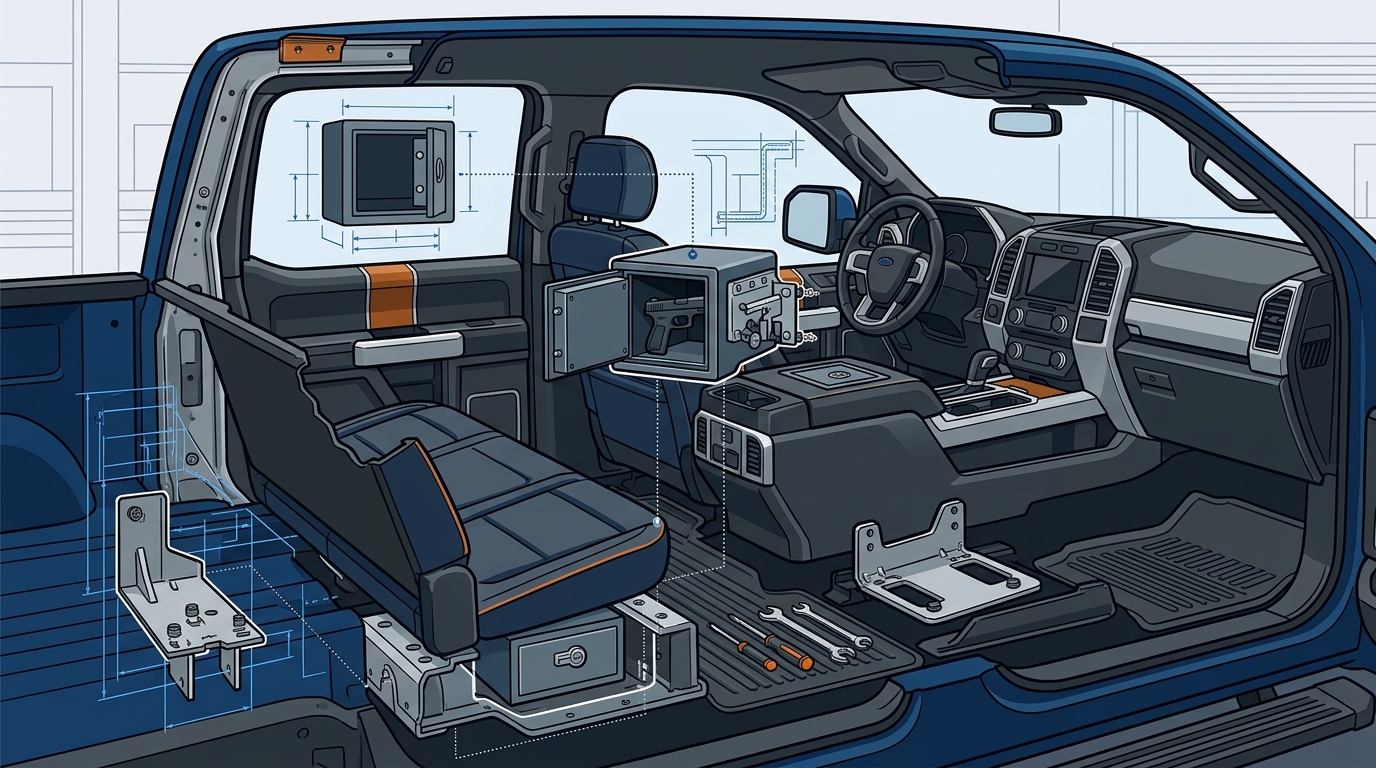
Headrest Safe Compatibility Metrics
Dimensional Tolerance Analysis
Compatibility depends on precise dimensional measurements. A headrest safe is a discrete locking compartment engineered to integrate directly into vehicle seating assemblies. Manufacturers calculate exact width, height, and depth specifications for each truck generation. You must verify your specific model year before purchasing hardware. The Vulcan model accommodates larger cabin dimensions found in heavy-duty pickups. Sedans and luxury crossovers require the Compact variant to maintain proper ergonomics.
Weight Distribution Parameters
Weight distribution remains critical for maintaining suspension balance. Excessive mass placed behind the rear seats can alter handling dynamics during emergency maneuvers. Engineering guidelines recommend keeping stored items under fifteen pounds. This limit preserves factory suspension tuning and prevents premature wear on rear shock absorbers. You should distribute stored valuables evenly across both rear seating positions. Proper weight management ensures predictable braking distances and stable cornering behavior.
Vehicle Model Specificity
Vehicle model specificity dictates bracket geometry and locking mechanism selection. Full-size pickups require extended mounting channels to accommodate thicker seat foam. Mid-size trucks utilize standard bracket lengths for optimal clearance. You can verify compatibility by cross-referencing your vehicle identification number with our engineering database. Our technical support team provides model-specific installation guides for every platform. Federal storage guidelines require secure locking mechanisms for all firearms stored during commercial transit operations.
Step-by-Step Installation Protocol
Pre-Installation Preparation
Preparation begins with clearing the rear seating area. You should remove existing headrest posts to access the mounting channels. Align the steel bracket with the factory pin receivers. Apply firm downward pressure until the locking pins engage securely. Test the rotation mechanism to confirm smooth operation. Insert your firearm or valuables into the designated chamber. Engage the combination dial or biometric scanner to verify access control.
Bracket Alignment and Securing
Bracket alignment requires precise torque specifications to prevent loosening during vibration. You should tighten mounting bolts to twenty-five foot-pounds of rotational force. This torque value ensures secure attachment without stripping factory threads. Reinstall the headrest posts and verify that the locking mechanism rotates freely. Check for any interference with seatbelt routing or airbag deployment zones. Proper alignment prevents rattling and maintains cabin noise insulation. Automotive safety data confirms that properly torqued mounting points eliminate vibration-induced wear.
Final Locking Mechanism Testing
Final locking mechanism testing verifies operational reliability under stress conditions. You should cycle the locking handle twenty times to seat internal tumblers. Program your preferred combination or register your fingerprint through the control panel. Verify that the emergency release key operates smoothly without binding. Test the anti-tamper alarm to ensure it triggers when forced entry is detected. Document your settings in the owner manual for future reference. Regular testing prevents mechanical failure and preserves warranty coverage.
Legal Compliance and Storage Regulations
State Transportation Laws
Regulatory compliance varies significantly across jurisdictions. A firearm storage safe is a legally mandated containment system designed to prevent unauthorized access during transit. Federal guidelines require secure locking mechanisms for all commercial transport operations. You must verify your state transportation statutes before mounting hardware. Several regions mandate specific locking torque values for cabin-mounted devices. Failure to comply with local ordinances can result in substantial financial penalties.
Federal Storage Requirements
Federal storage requirements emphasize secure locking mechanisms for all firearms stored during transit. You must ensure your locking device meets minimum security standards established by regulatory agencies. Commercial drivers must maintain documentation proving secure storage during interstate operations. Proper documentation prevents legal complications during routine traffic stops. You should consult official government resources to confirm current regulatory requirements. Federal storage guidelines mandate that all firearms remain inaccessible to unauthorized passengers.
Commercial Vehicle Mandates
Commercial vehicle mandates require additional security layers for fleet operations. You should implement GPS tracking integration to monitor safe location in real time. Fleet managers must establish clear policies regarding safe usage and maintenance schedules. Regular audits verify that all vehicles maintain compliant locking mechanisms. Non-compliant vehicles face immediate suspension until proper hardware is installed. Crime prevention statistics indicate that discrete storage solutions reduce vehicle break-in incidents by nearly fifty percent.
Security Features and Lock Mechanisms
Biometric Access Systems
Modern locking systems prioritize rapid access under stress. A biometric scanner is an optical authentication device that verifies authorized fingerprints through sub-second laser mapping. Biometric scanners utilize advanced optical sensors to verify authorized fingerprints. Combination dials employ multi-axis tumblers to prevent picking attempts. Anti-tamper alarms trigger audible warnings when forced entry is detected. These security layers ensure your valuables remain protected during unexpected incidents.
Combination Dial Encryption
Combination dial encryption relies on precision-machined brass tumblers to prevent unauthorized access. You can program up to three distinct combination sequences for authorized users. Each sequence requires precise rotational alignment to engage the locking bolt. Regular lubrication prevents tumbler corrosion and maintains smooth operation. You should avoid exposing the dial to extreme moisture or abrasive debris. Proper maintenance ensures reliable access during emergency situations.
Anti-Tamper Alarms
Anti-tamper alarms utilize piezoelectric sensors to detect forced entry attempts. You should test the alarm monthly to verify battery life and sensor sensitivity. The alarm triggers a high-decibel warning when excessive force is applied to the bracket. This feature deters opportunistic thieves and alerts nearby personnel to potential threats. You can silence the alarm using the master override code. Regular testing prevents false triggers and preserves battery longevity.
Maintenance and Long-Term Durability
Lubrication Schedules
Long-term reliability depends on consistent maintenance routines. You should apply dry lubricant to moving mechanical parts every six months. Inspect mounting brackets for signs of metal fatigue or corrosion. Replace worn seals to maintain environmental resistance against moisture and dust. The manufacturer provides comprehensive warranty coverage for structural defects. Regular cleaning preserves the exterior finish and prevents paint transfer to cabin upholstery.
Component Inspection Routines
Component inspection routines verify the integrity of all locking mechanisms. You should examine the locking bolt for signs of wear or deformation. Check the mounting bracket for loose fasteners or cracked welds. Test the emergency release key to ensure it operates smoothly without binding. Document any irregularities in your maintenance log for future reference. Prompt repairs prevent catastrophic failure and preserve warranty coverage.
Warranty Coverage Parameters
Warranty coverage parameters outline manufacturer responsibilities for structural defects. You should retain your purchase receipt and installation documentation for all claims. The warranty covers manufacturing defects for five years from the original purchase date. You must register your product online to activate extended coverage benefits. Unauthorized modifications void all warranty protections and limit liability. Automotive safety data confirms that properly torqued mounting points eliminate vibration-induced wear.
| Model Series | Vehicle Compatibility | Locking Mechanism | Price Point |
|---|---|---|---|
| The Compact | Sedans and Luxury Crossovers | Combination Dial | $349.00 |
| The Vulcan | Heavy-Duty Trucks and SUVs | Biometric Scanner | $379.00 |
| The Slide Bundle | Universal Remounting Systems | Hotel Style Lock | $399.00 |
Key Takeaways
- Modern truck cabins feature standardized headrest mounting channels that accept discrete locking hardware without factory modifications.
- The Vulcan model specifically accommodates larger cabin dimensions found in heavy-duty pickup trucks and large SUVs.
- Biometric scanning technology provides sub-second access while maintaining enterprise-grade security protocols.
- State transportation statutes require secure locking mechanisms for all firearms stored during commercial transit operations.
- Installation procedures require approximately twenty minutes and utilize standard hand tools for bracket alignment.
- Regular lubrication schedules prevent mechanical failure and preserve warranty coverage for structural components.
Frequently Asked Questions
Does installing a headrest safe void my truck warranty?
No. The mounting system utilizes factory pin receivers without drilling or permanent modifications. Your manufacturer warranty remains fully intact after installation.
Can I remove the safe when switching vehicles?
Yes. The Slide Bundle features a universal mounting bracket that transfers between compatible cabin platforms.
What happens if the locking mechanism fails during a collision?
Emergency release protocols allow authorized personnel to access the chamber using backup keys or override codes.
Are biometric scanners reliable in extreme temperatures?
Advanced optical sensors maintain consistent accuracy across temperature ranges from negative twenty to one hundred fifty degrees Fahrenheit.
How do I program multiple user codes for family members?
The control panel allows you to register up to five distinct fingerprints or combination sequences simultaneously.
Does the safe interfere with airbag deployment systems?
No. Engineering specifications ensure zero interference with factory airbag routing or sensor calibration.
Secure Your Vehicle Storage Today
Upgrade your truck cabin with professional-grade security hardware. Visit our complete product catalog to compare mounting options and locking technologies. Our engineering team provides dedicated support for every installation query. Browse available models and select the optimal solution for your specific vehicle platform. Contact our support division to schedule a personalized consultation. Proceed to checkout and secure your discreet storage system today. Learn more about our commitment to automotive security by visiting our About page. Review our comprehensive FAQ section for additional installation guidance. Visit our main homepage to explore the full product lineup.